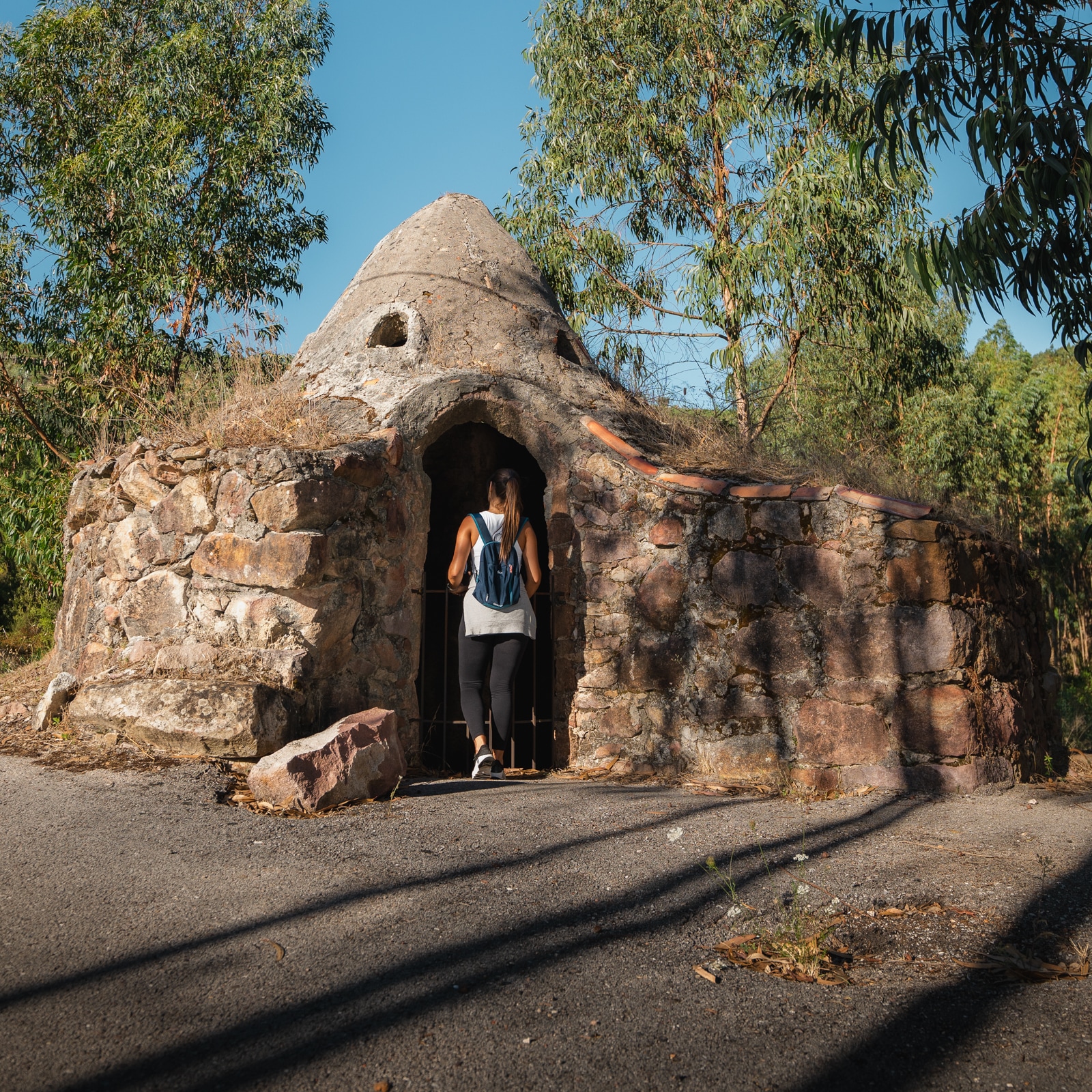
A goat pen in the hearth of the mountain
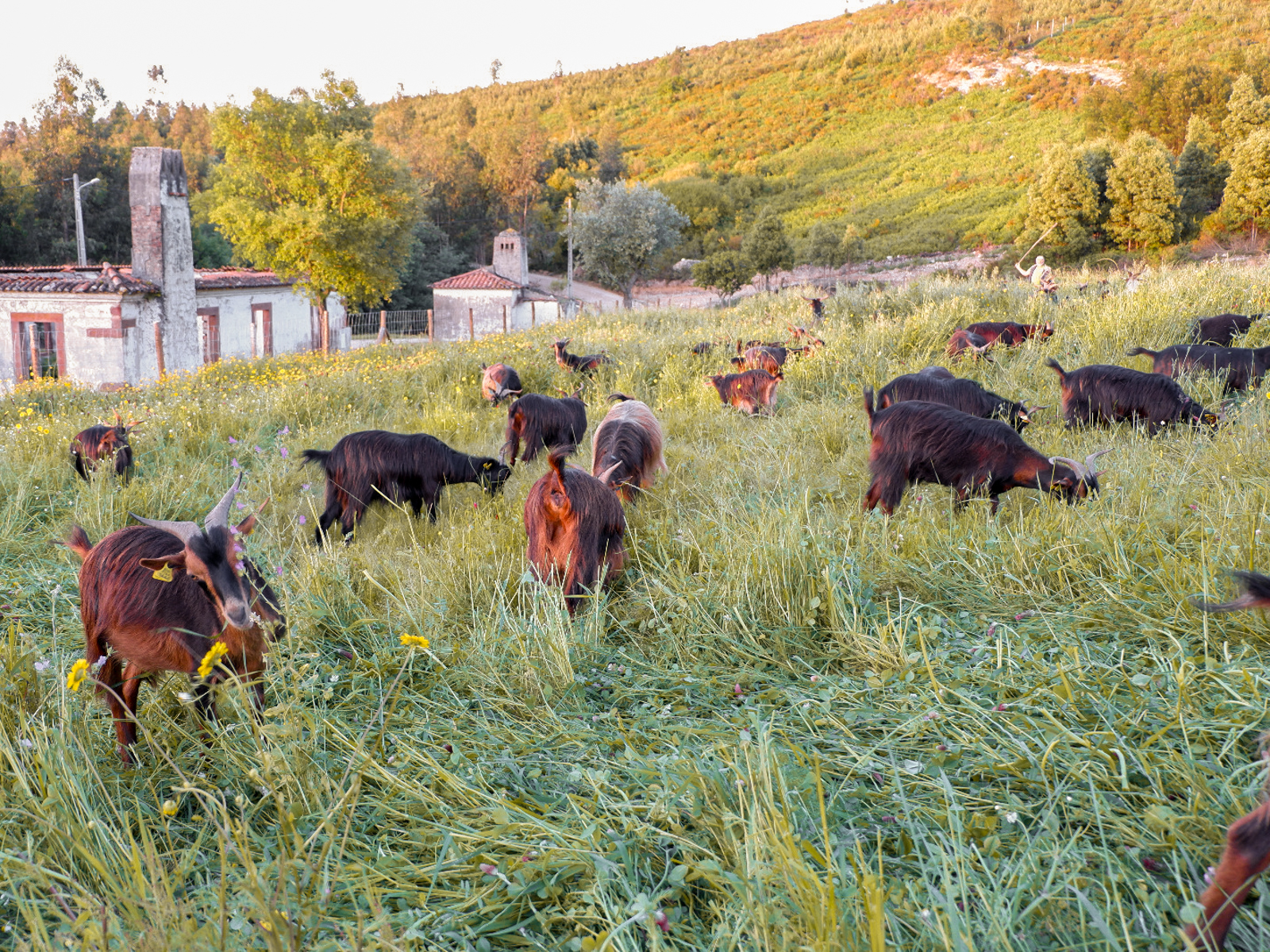
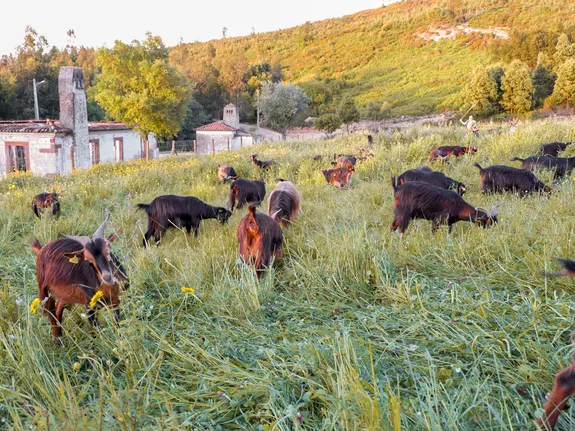
The Capril da Serra, promoted by the Parish Council of São Miguel de Poiares, aims to revive the memory and essence of the silvopastoral tradition of this region through a traditional activity. The herd plays a key role in managing fuel loads, controlling the spread of invasive species, and contributing to the transformation of the landscape into an area that is intended to be more resilient and biodiverse.
The project supports the preservation of the Serrana breed, a native Portuguese breed believed to originate from the Serra da Estrela and descended from the Capra pyrenaica, or Pyrenean ibex. Almost the entire herd represents the Ribatejano ecotype, one of the four in which the breed evolved, primarily known for its milk production.
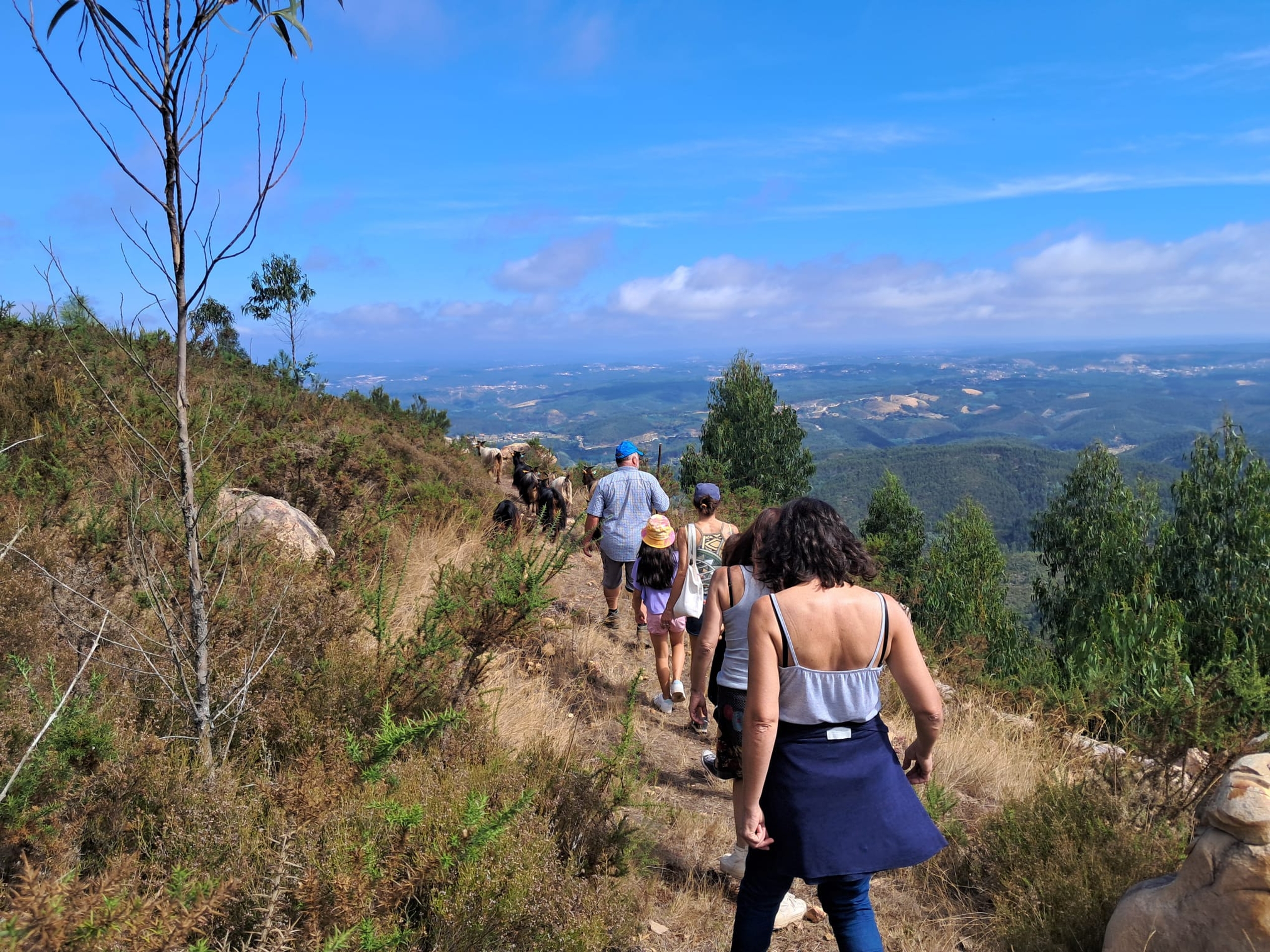
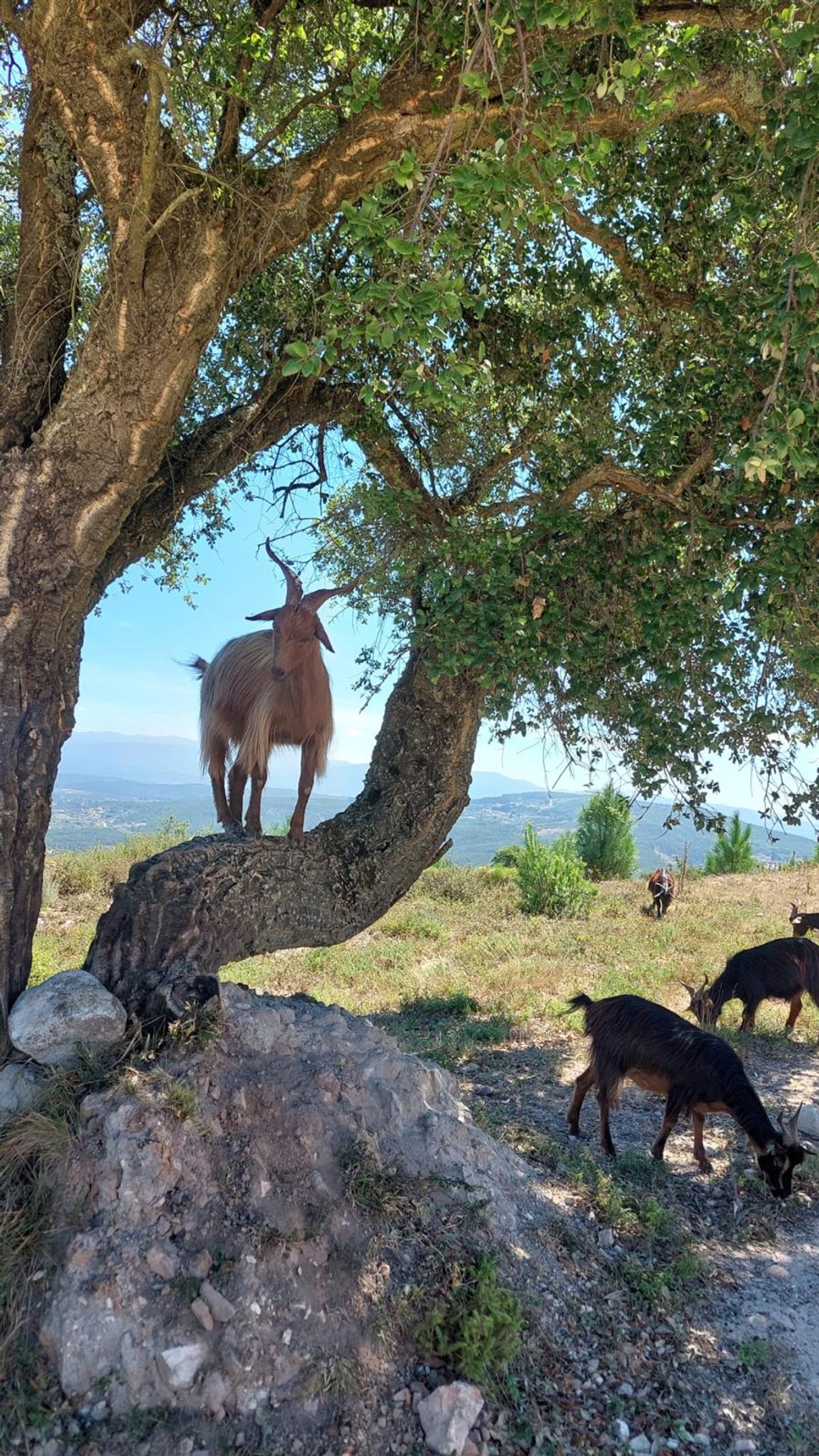
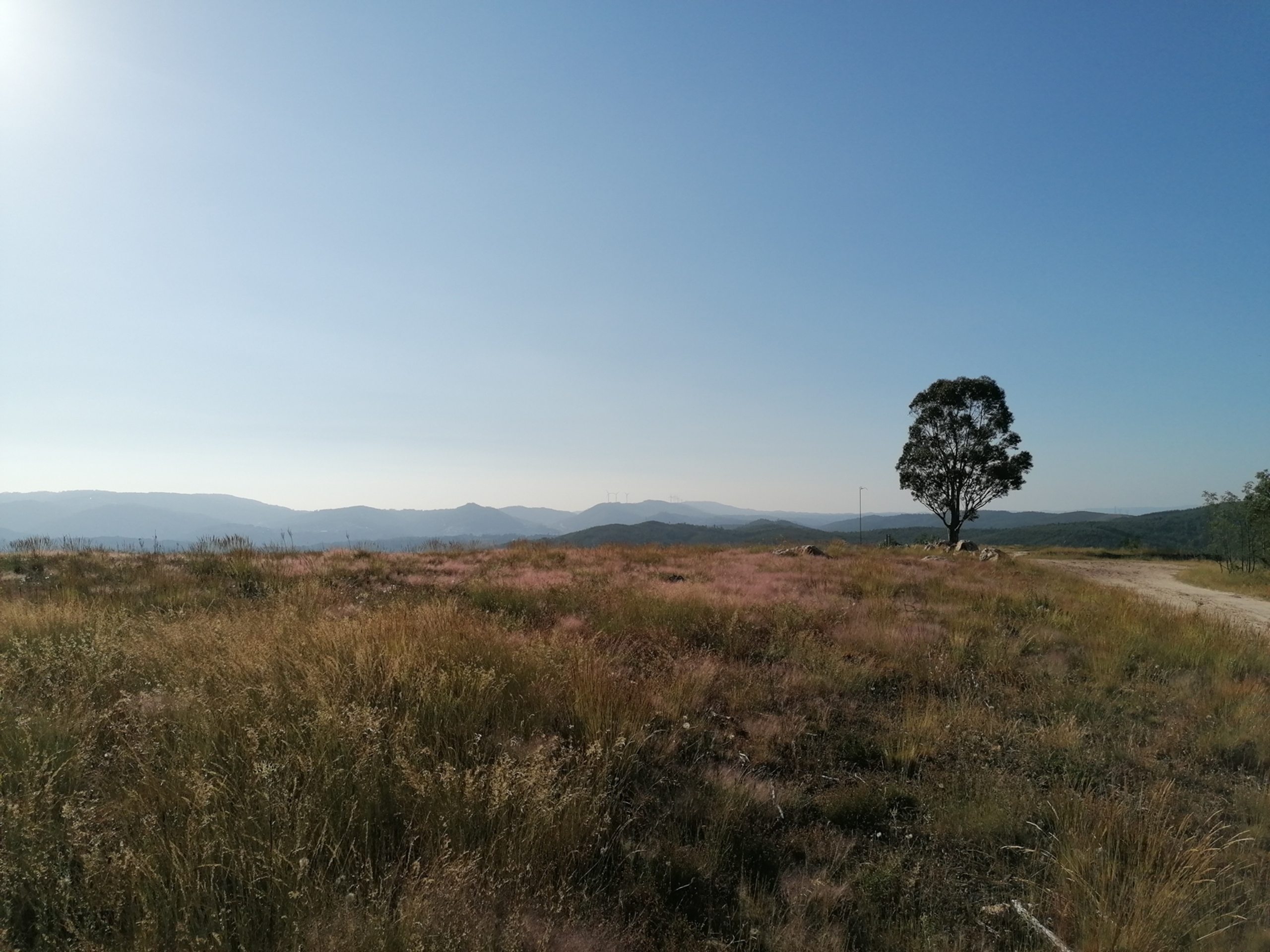
As an extensive farming operation, the herd sets out daily to roam the mountain paths, with the horizon stretching as far as the eye can see. Closely watched by the shepherd, the goats enjoy a varied diet, with heather, gorse, and broom being their preferred choices. The goats and the shepherd spend their days in the peace of nature, bringing life and soul to the mountains.
Landscape in constant change
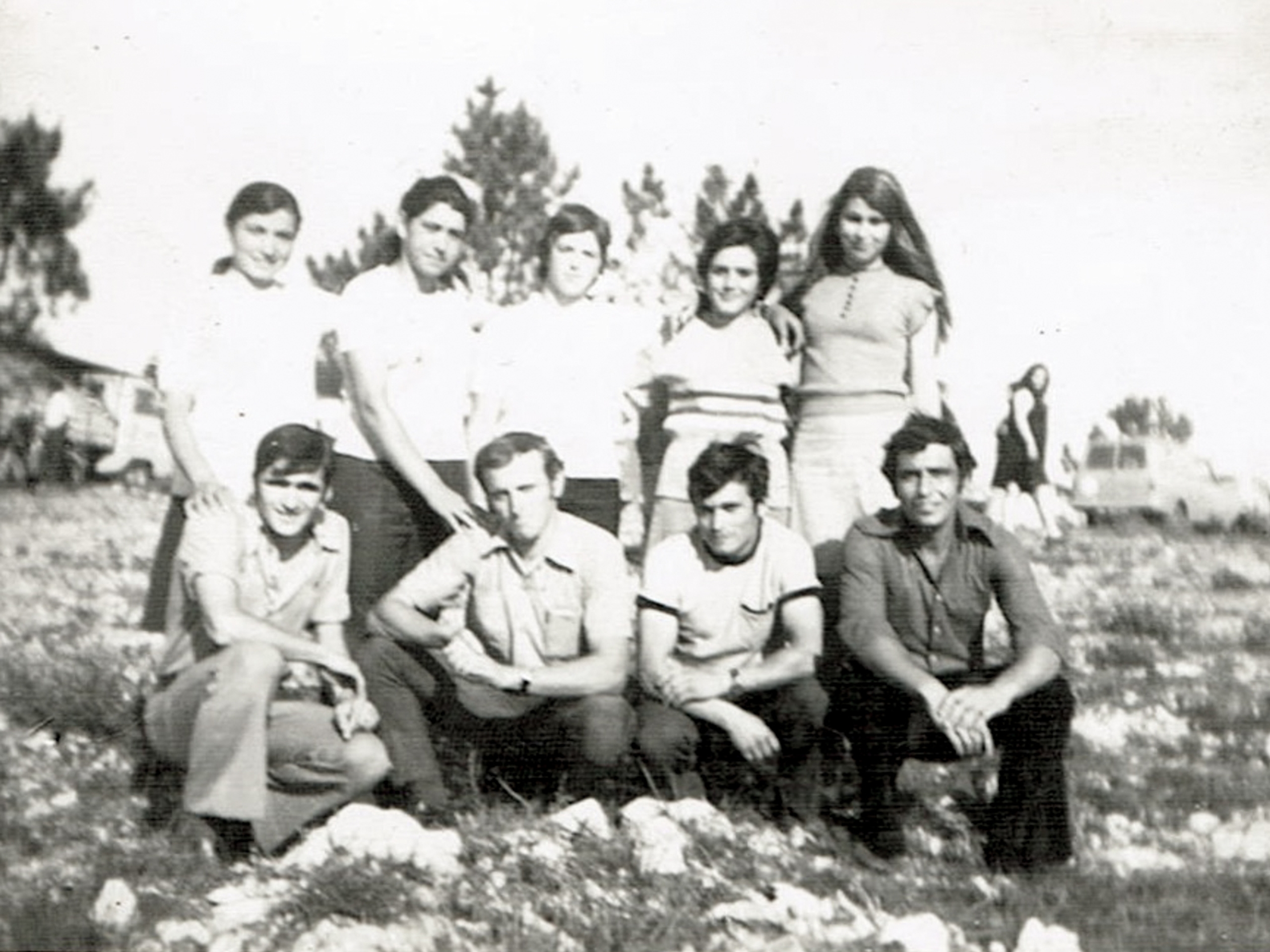
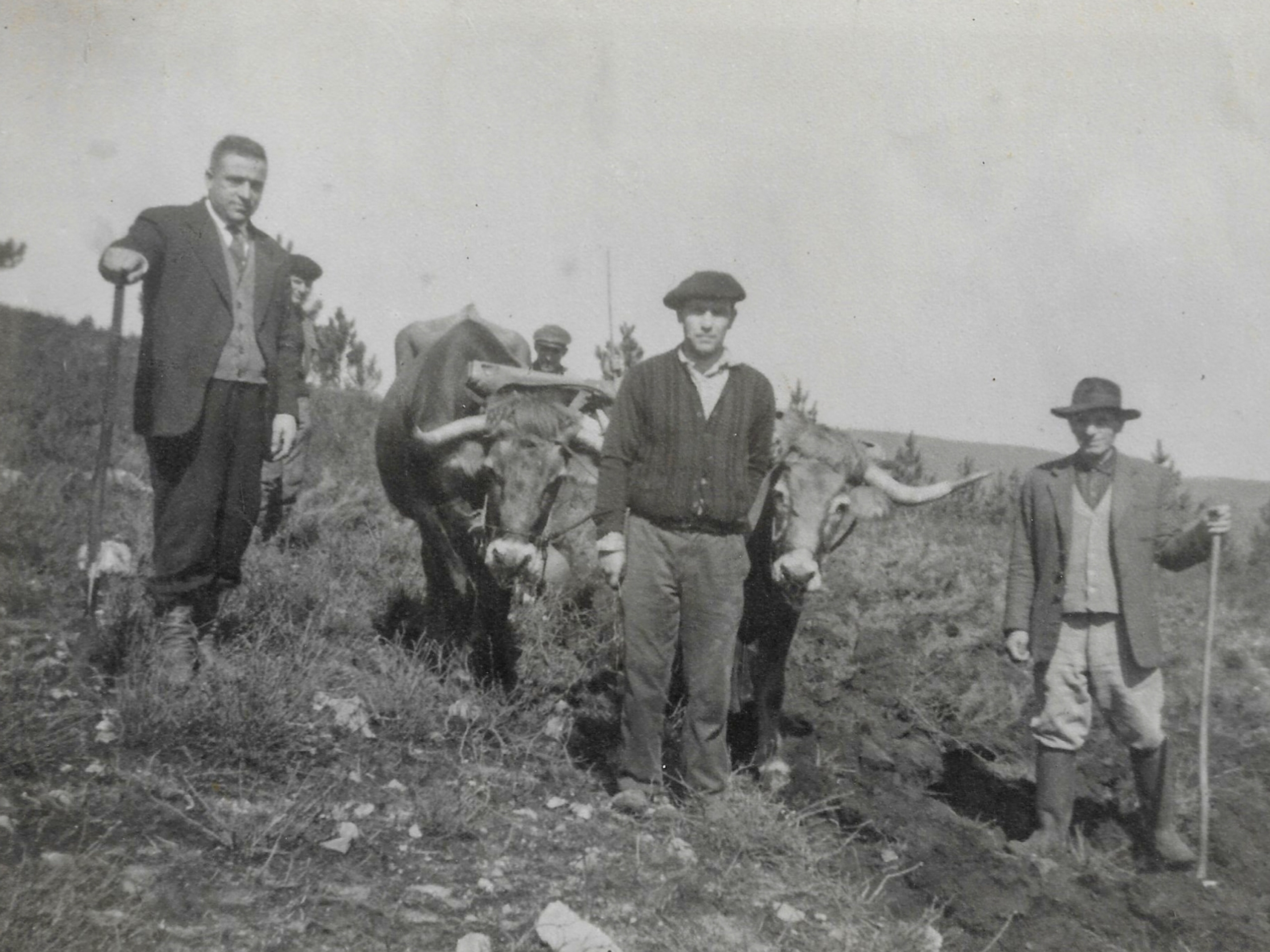
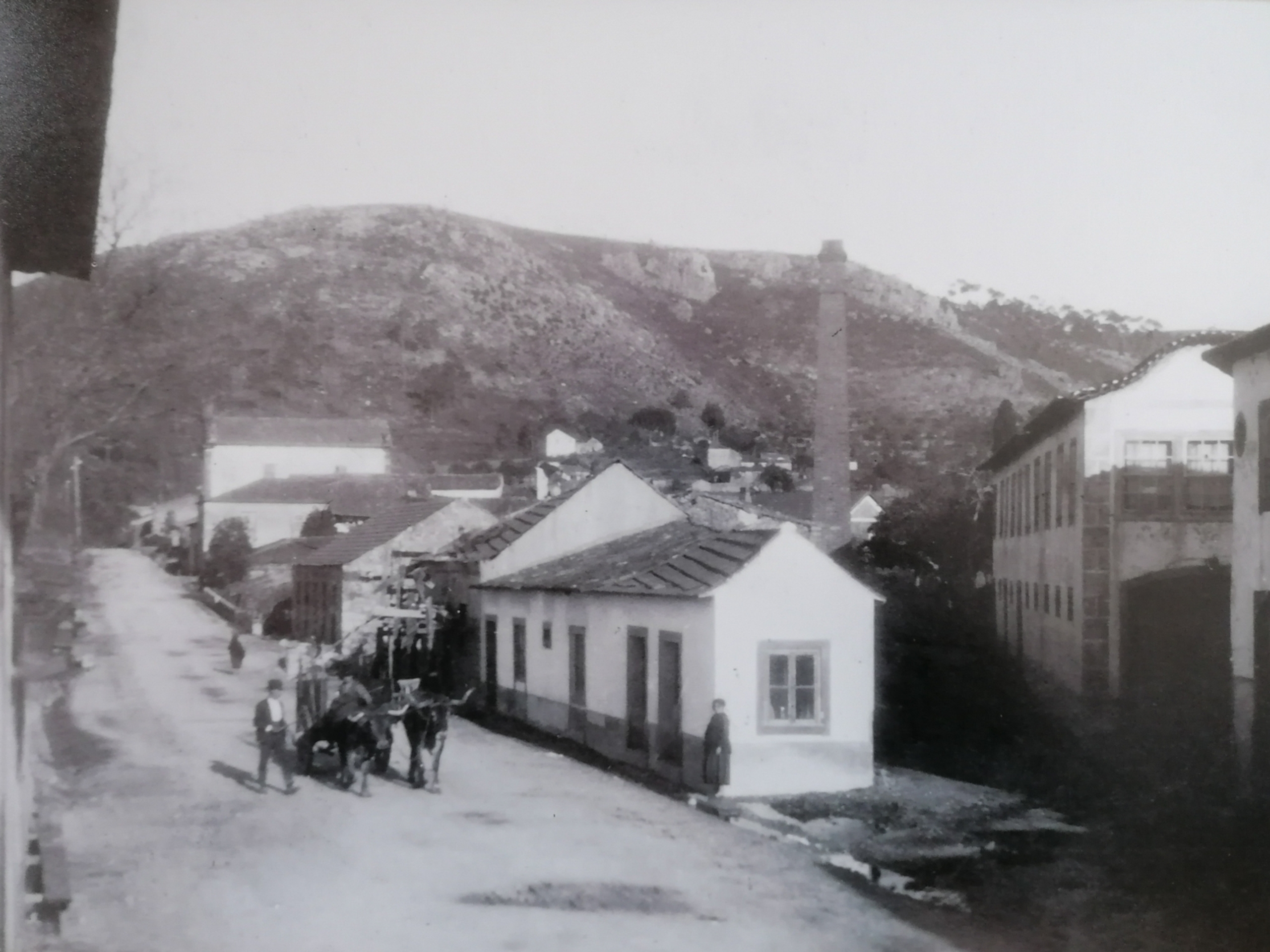
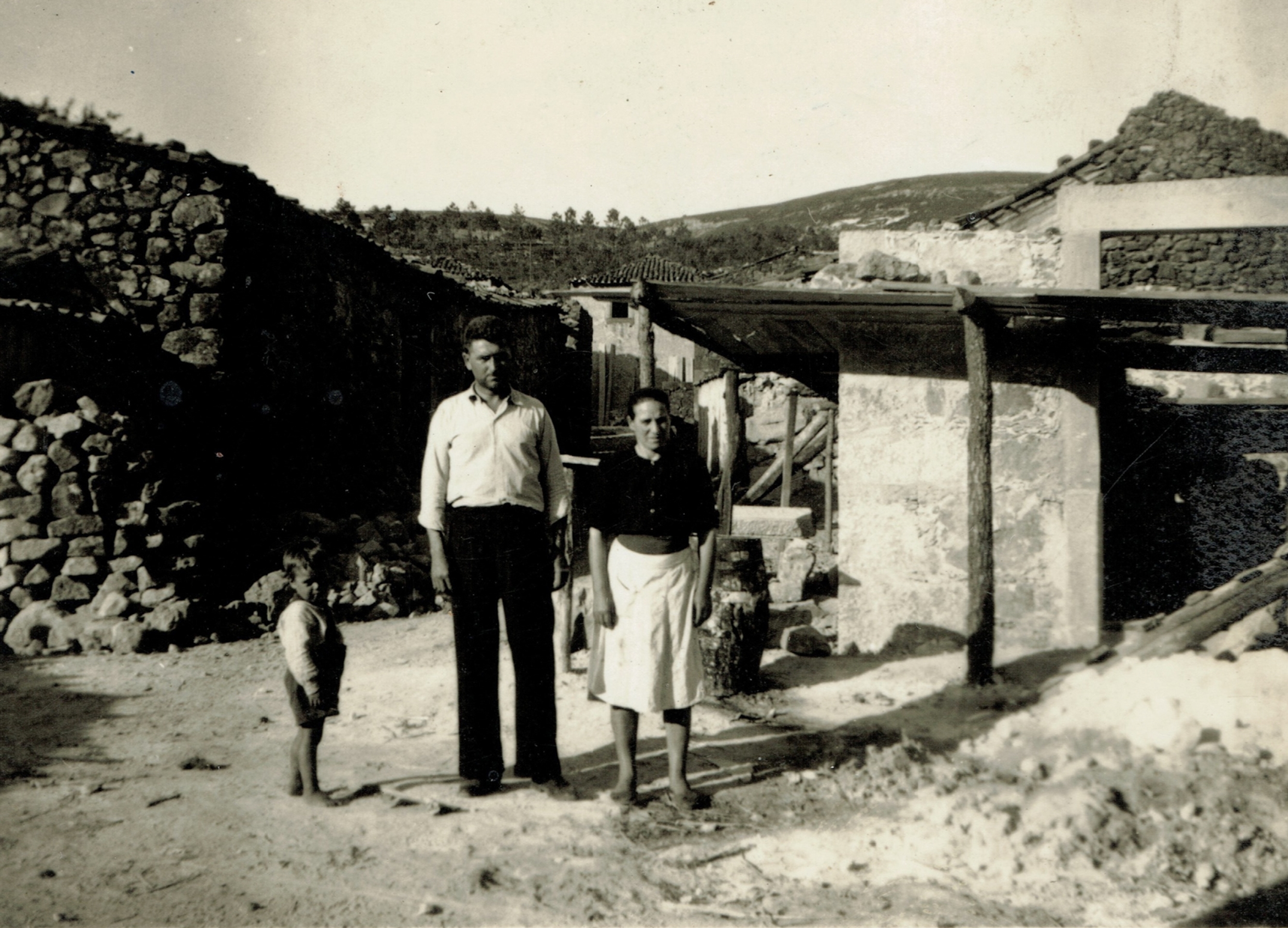
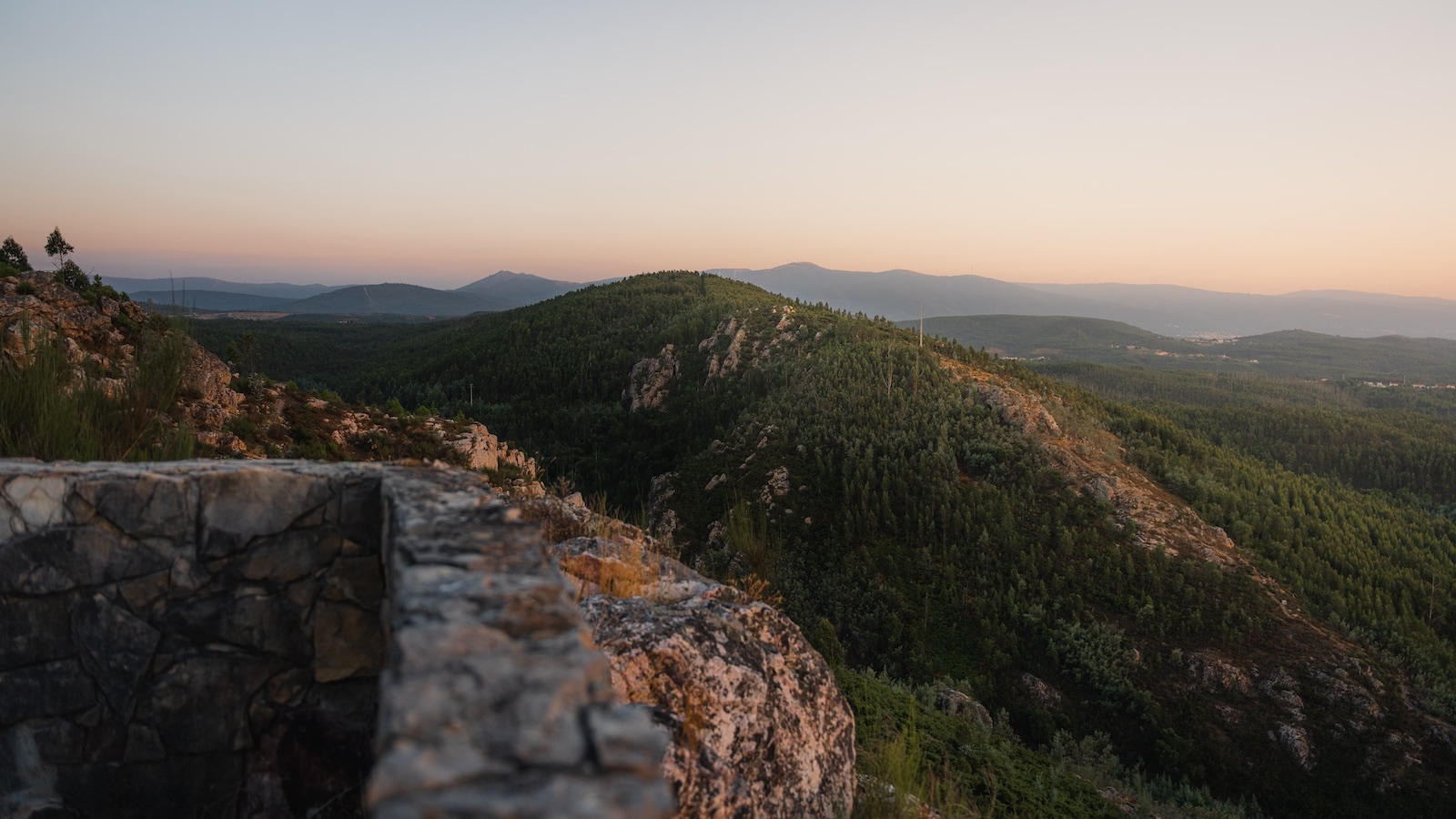
The Bidueiro mountains (or Alveite mountains) connects villages through their shared memories of the past. Until the last quarter of the 20th century, these mountainous territories were sustained by agriculture, livestock farming, and forestry. It is not surprising that the mountain had then a different landscape.
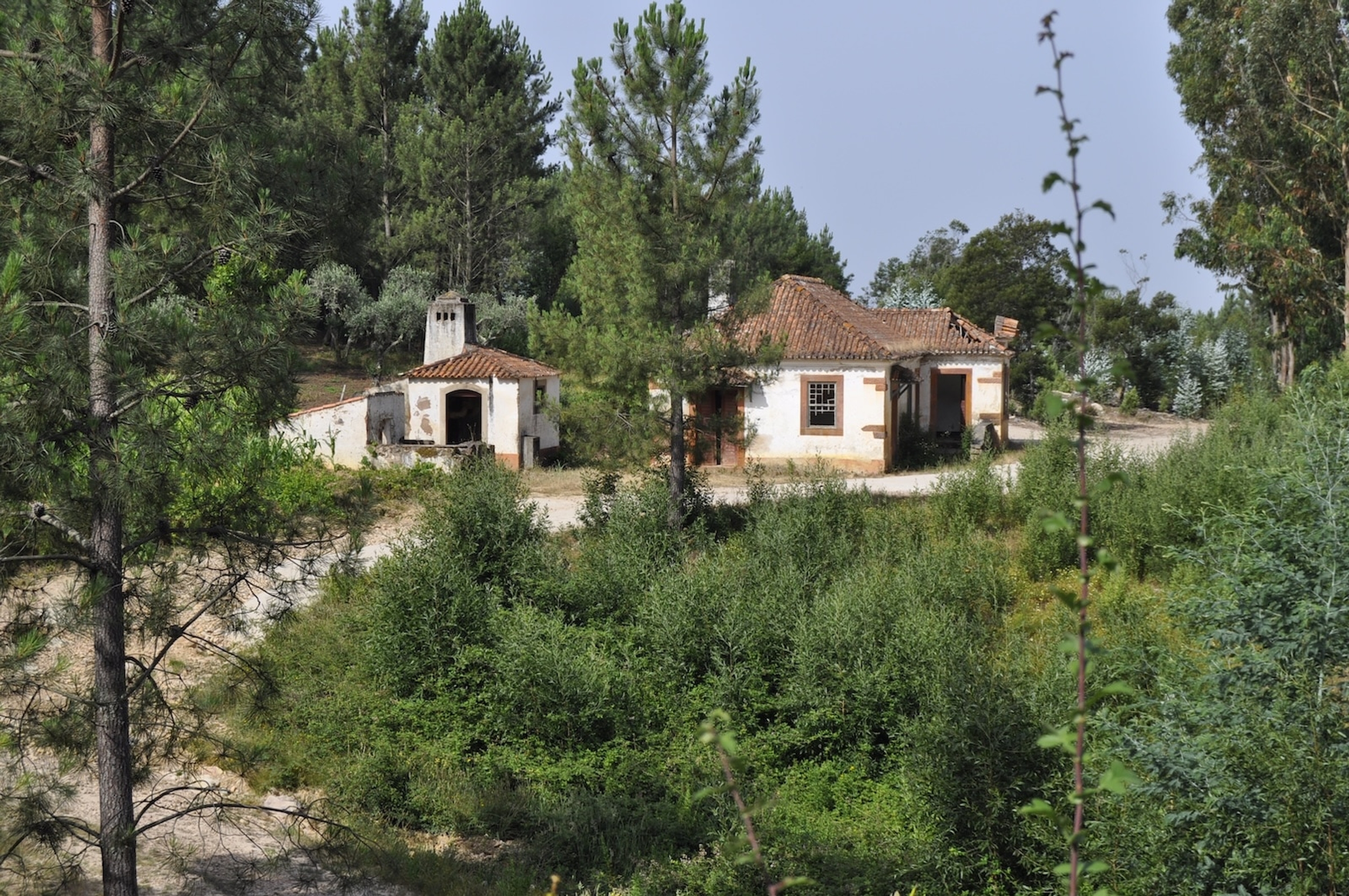
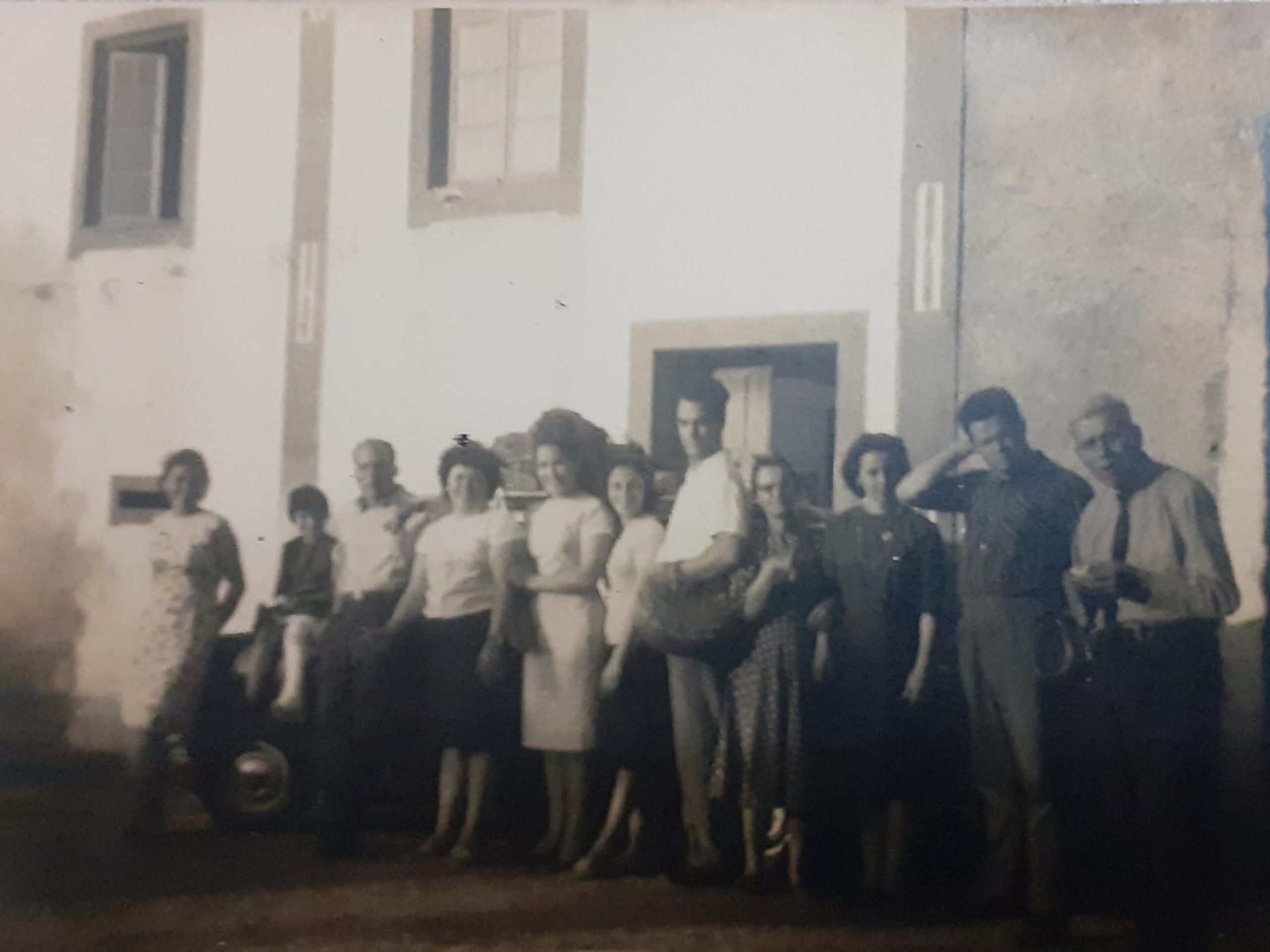
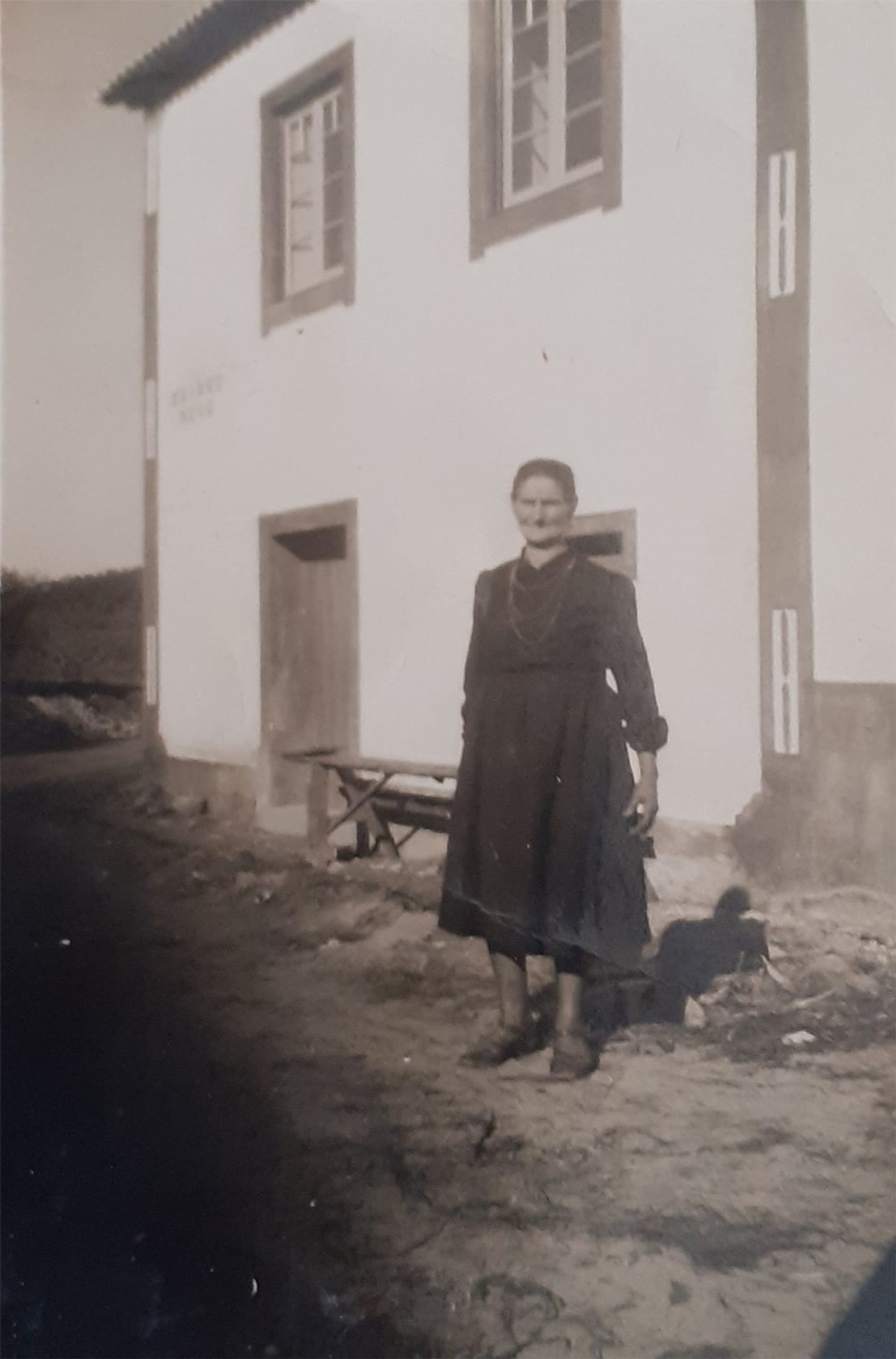
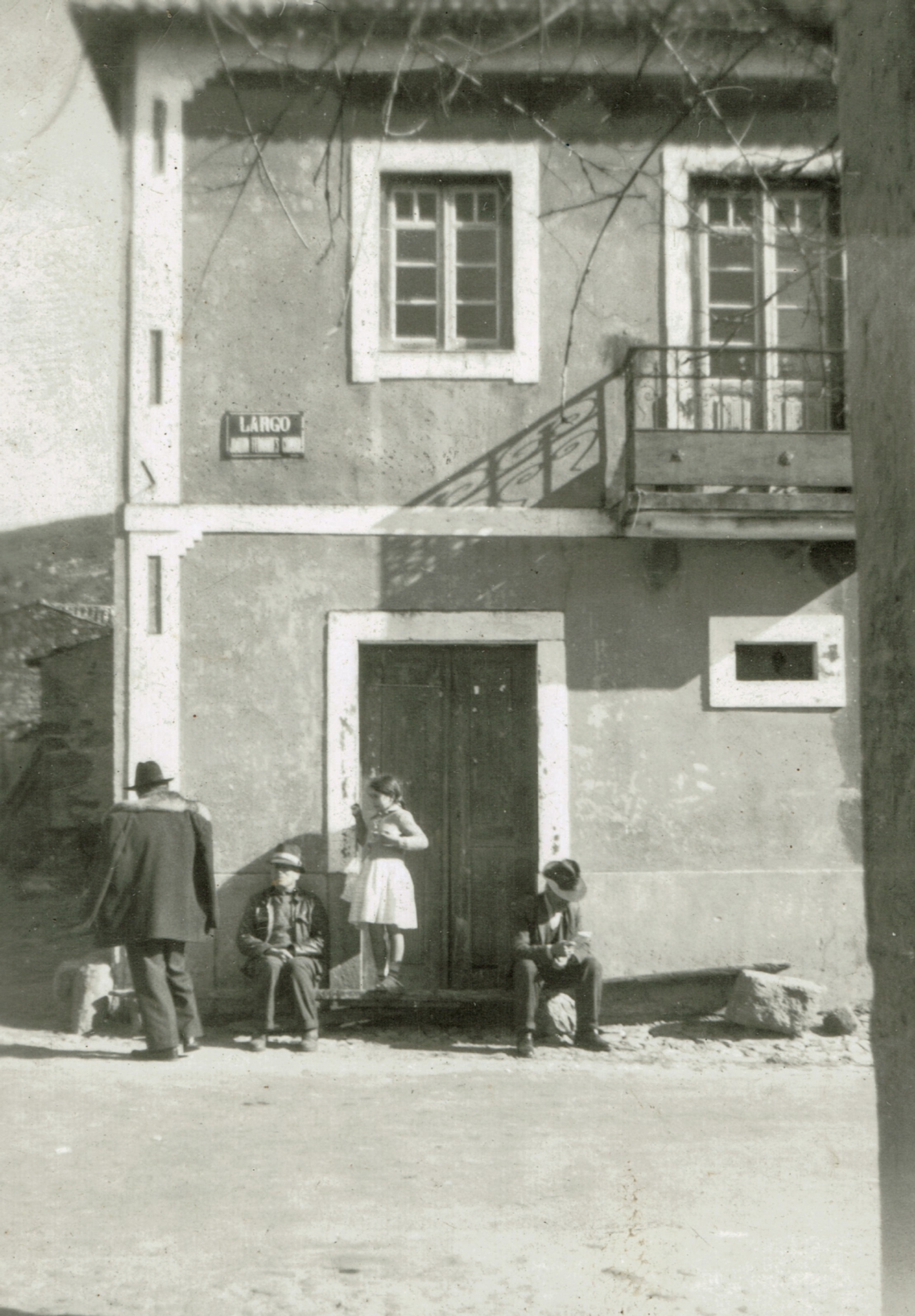
In the past, numerous herds roamed the hills and valleys, preventing vegetation from growing, but in the mid-20th century, a reforestation plan with maritime pine was implemented, with thinning operations supplying industrial kilns, bakeries, and sawmills. The old forester’s houses, one at each end of the mountain, connected by a telephone line, which was innovative at the time, are a testimony to this period.
After 1980, the gradual abandonment of pine exploitation and the increasing frequency of fires created ideal conditions for the expansion of eucalyptus, either planted or spontaneous, as well as the emergence of invasive species. Nevertheless, it is still common to find native species such as strawberry trees, common hawthorns, chestnuts, and oaks.
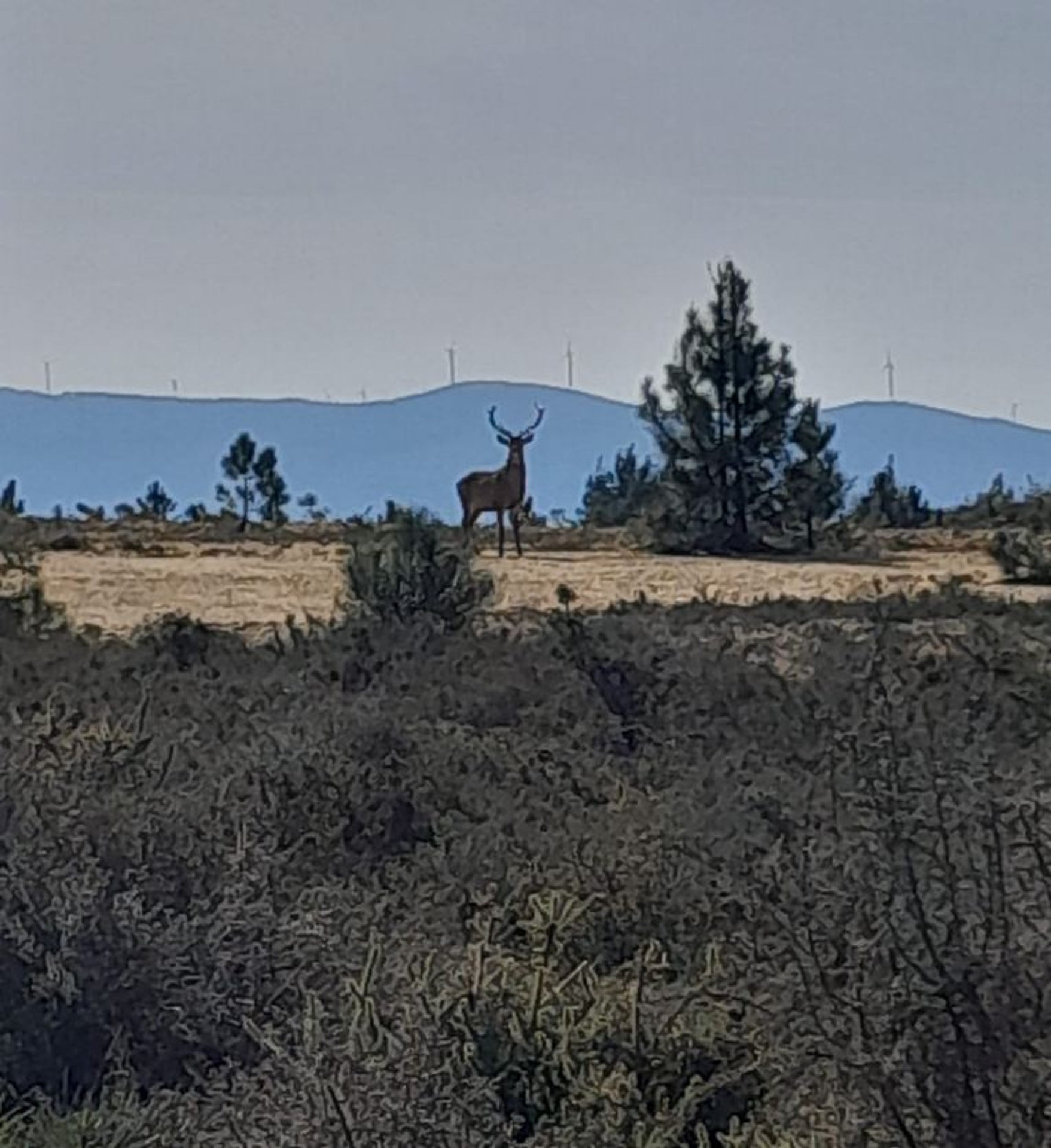
Red deer(Cervus elaphus)
As a large herbivore, the red deer plays an important role in maintaining a dynamic and biodiverse landscape mosaic. It is easier to spot in the mountains during the autumn months, at dusk and dawn, when the rut occurs (roars emitted during the breeding season).
Invasive species…
Invasive exotic plants are “non-native plants that cause negative environmental and economic impacts,” degrading habitats and preventing native species from establishing themselves. By grazing Australian blackwood (1), mimosa (2), and willow-leaved hakea (3), the goats help control invasive species in this area.
The spike-wattle acacia is being controlled by the agent Trichilogaster acaciaelongifoliae (4), a small wasp that creates galls where flowers (and later seeds) would normally form, preventing the species from spreading. More difficult is dealing with the bushy needlewood (5).
Please, help control invasive species by learning to identify them and participating in control efforts!
Did you know…
… the Bidueiro mountains were once the setting of a book! The novel “O Fundador de Jutiuca” describes the harshness of life here at the beginning of the 20th century, when flocks of sheep were often herded up the mountains by children. The book also depicts the waves of emigration to Brazil, which led to a decrease in populations and in the number of flocks with consequences to the landscape of the mountains.
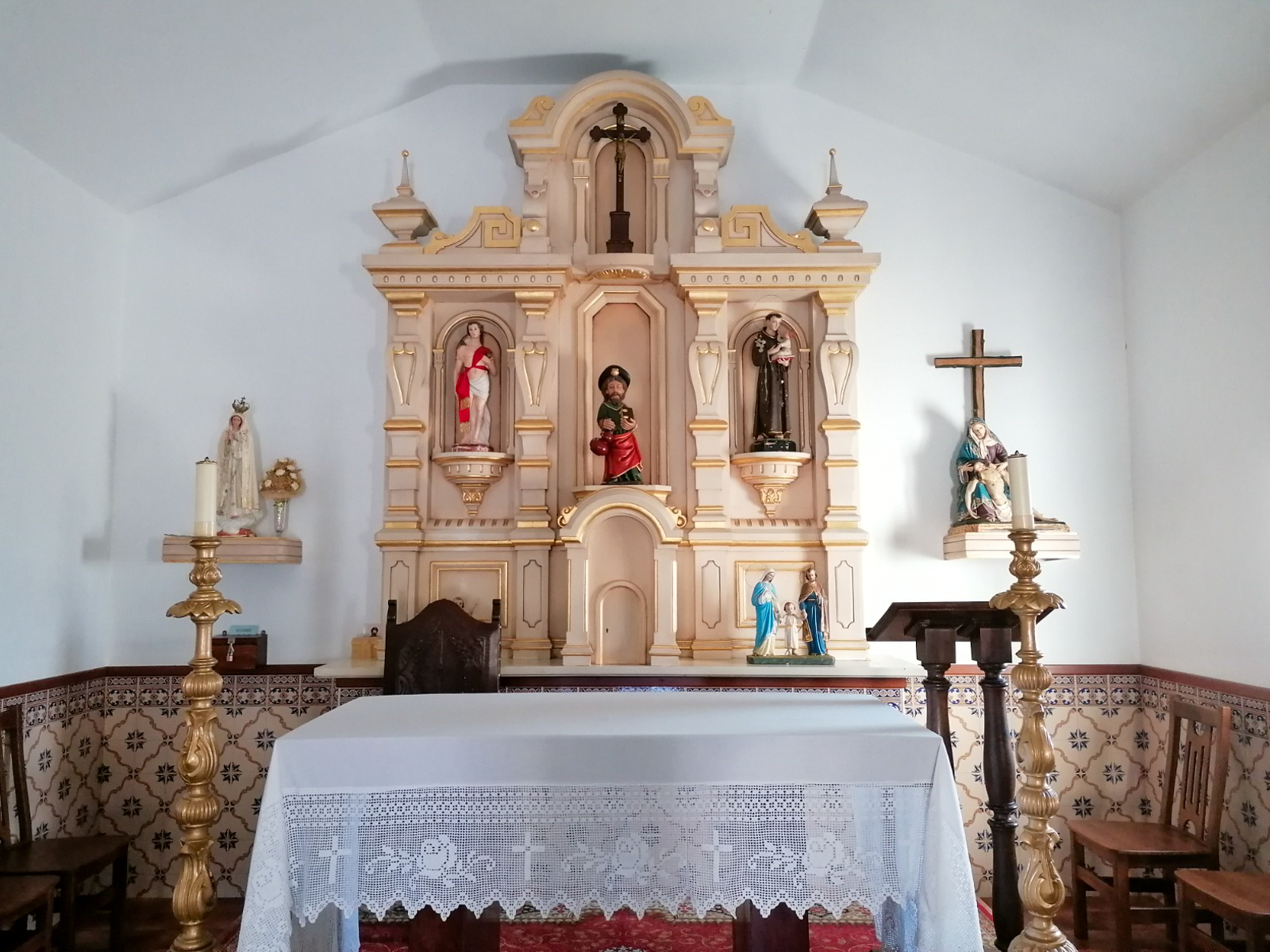

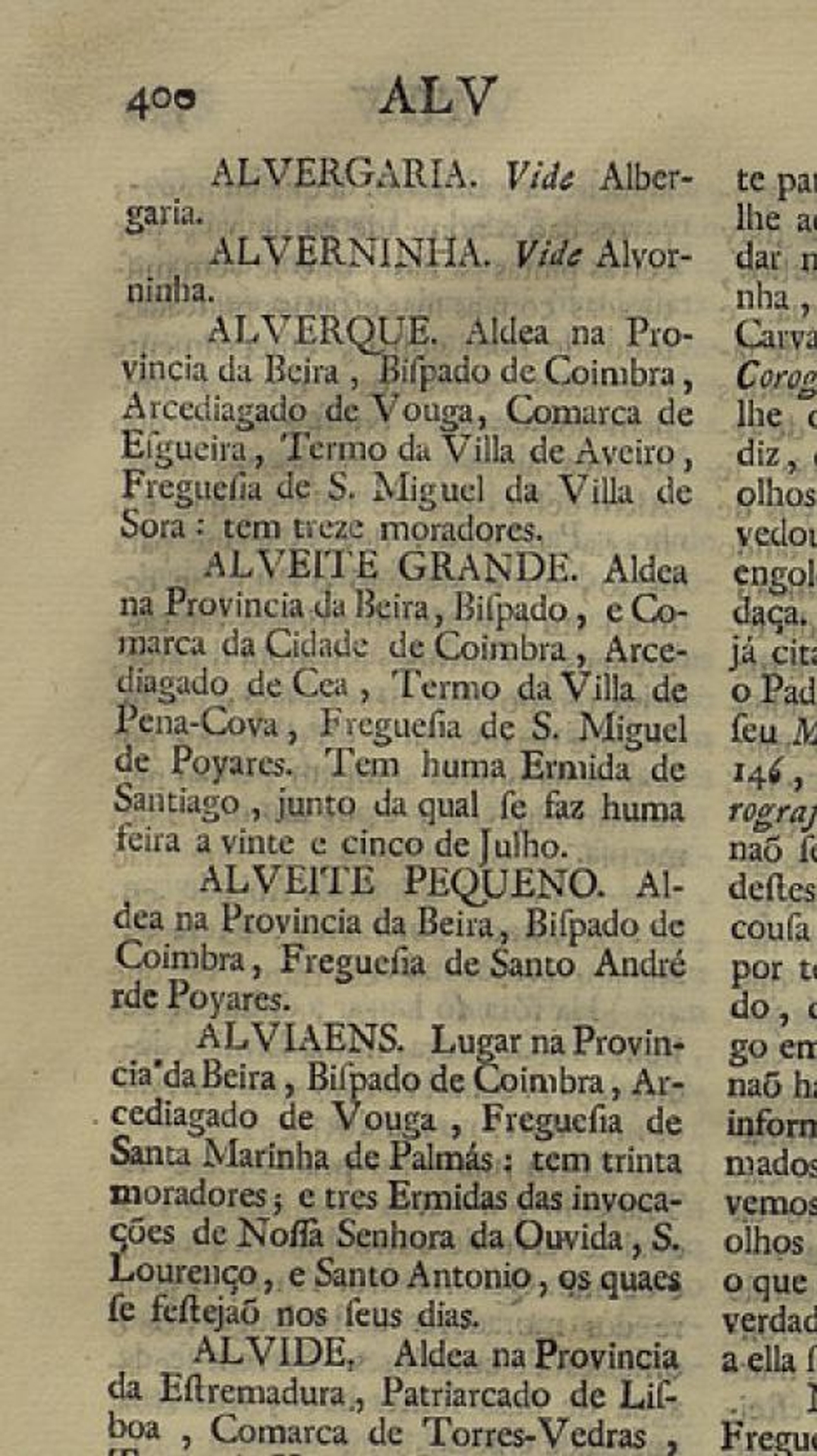 Imagem retirada de CARDOSO, Luiz, Diccionario geografico, ou noticia historica de todas as cidades, villas, lugares, e aldeas, rios, ribeiras, e serras dos Reynos de Portugal, e Algarve. Disponível online em: https://purl.pt/13938
 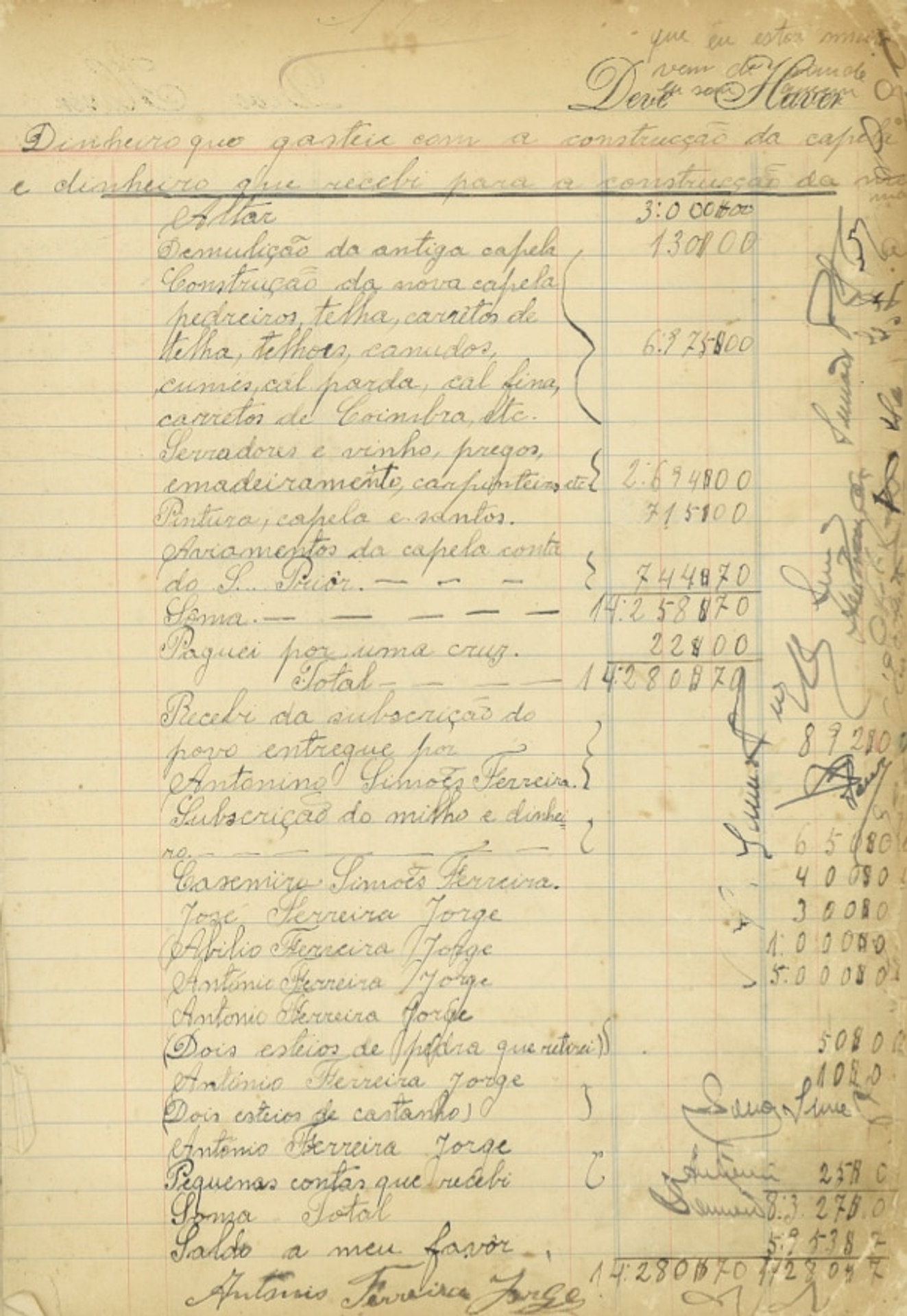 Accounts of the construction of the Chapel of Saint James
 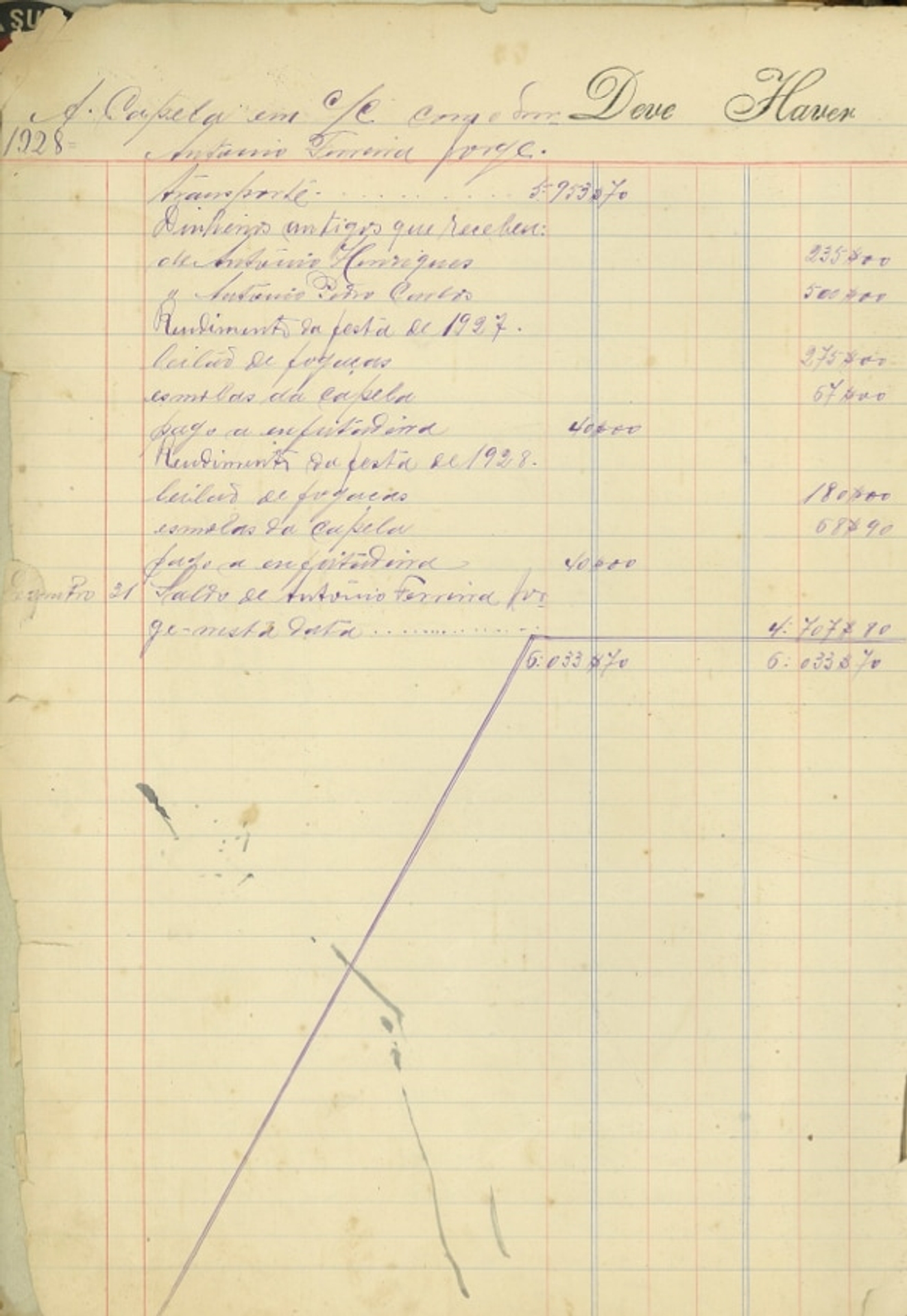 Accounts of the construction of the Chapel of Saint James
 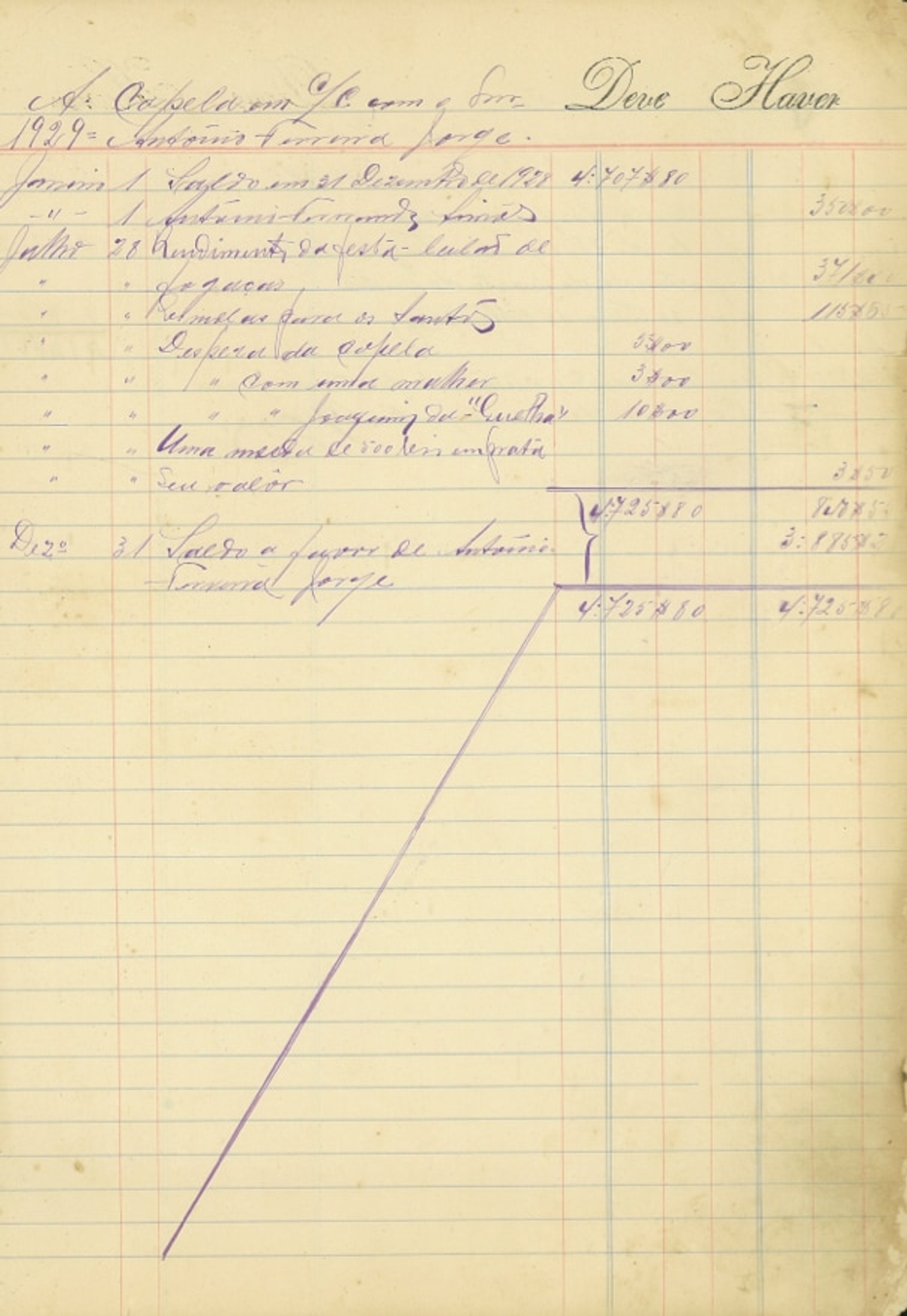 Accounts of the construction of the Chapel of Saint James
 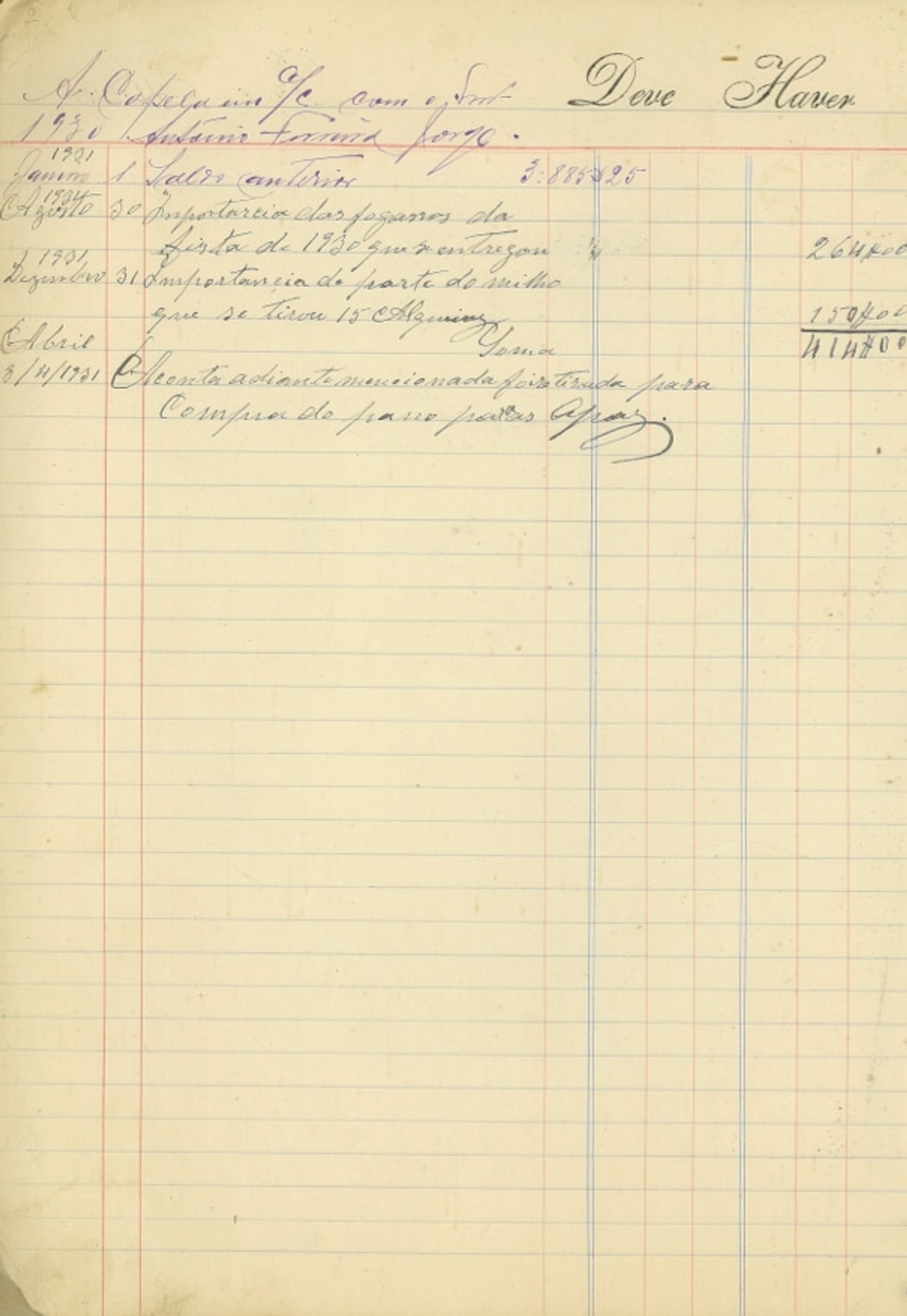 Accounts of the construction of the Chapel of Saint James